
Replacing a bathtub costs $1,500–$8,000 installed in 2026, with Angi’s national data averaging $5,928 and ranging from $2,104 to $9,757. A like-for-like alcove tub swap sits at the bottom of that range; a freestanding, jetted, or walk-in tub with plumbing changes sits at the top. The tub itself is often less than half the bill.
That last part surprises people. You shop for a $600 tub and get a $3,000 project — because the tub is the easy part. Removing the old one, fixing what you find underneath, moving the drain, and finishing the walls around it is where the money goes. This guide prices the tub, the surround, and the labor separately, so no line can hide.
Key takeaways
– Budget $1,500–$8,000 for a full bathtub replacement; the national average is $5,928.
– A standard alcove tub installed runs $1,500–$2,000; freestanding $2,200–$5,000; walk-in $3,000–$15,000.
– The tub itself ($300–$3,000) is often less than half the project — removal, plumbing, surround, and repairs make up the rest.
– Refinishing costs about $480 vs. thousands for replacement — the right call for a tub that’s ugly but sound.
– A straightforward swap takes 1–3 days; moving plumbing or retiling the surround extends it.
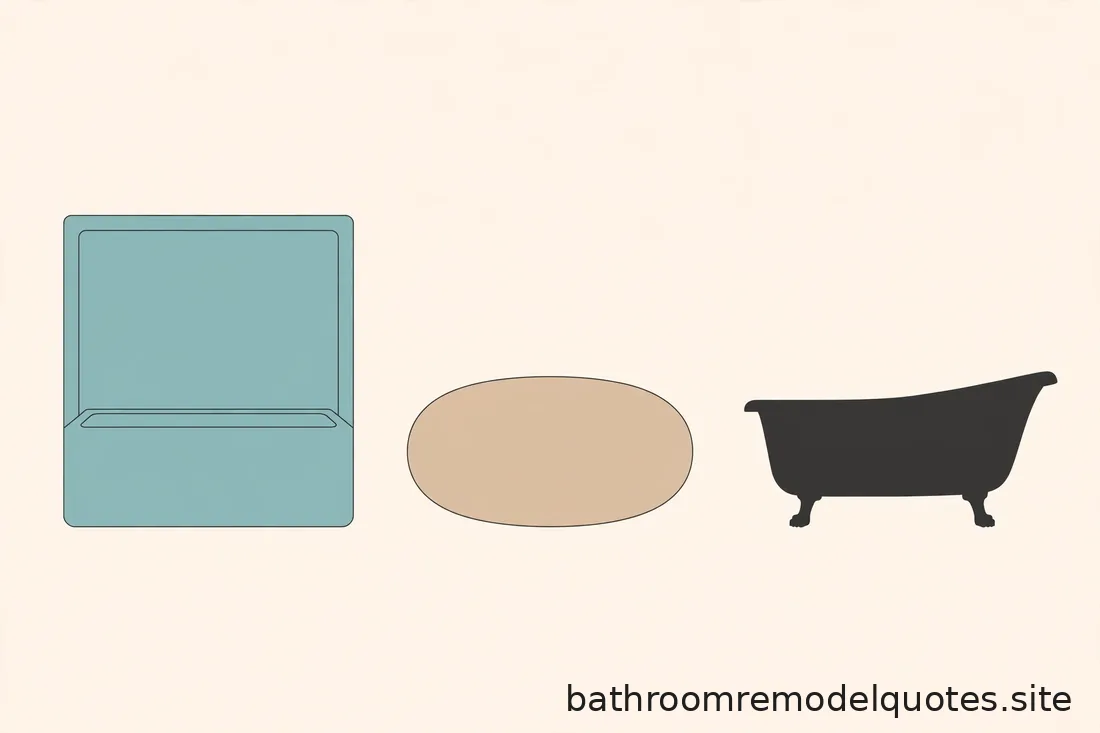
Cost by Tub Style, Installed
Style drives both the unit price and the installation complexity. Averages below include the tub, labor, materials, and typical modifications:
| Tub style | Average installed cost |
|---|---|
| Standard alcove | $1,500–$2,000 |
| Drop-in / platform | $1,800–$3,500 |
| Bathtub-shower combo | $2,000–$4,500 |
| Freestanding / clawfoot | $2,200–$5,000 |
| Whirlpool / jetted | $3,000–$8,000 |
| Walk-in tub | $3,000–$15,000 |
| Luxury (stone / copper) | $4,000–$13,000 |
Source: homeguide.com (2026).
Angi’s 2026 data tells the same story with slightly wider bands: $2,104–$9,757 overall, averaging $5,928. Their tub-only price bands: standard tubs $200–$800, soaking tubs $600–$13,000, jetted $1,000–$4,000, freestanding averaging around $2,500, walk-in tubs $4,000–$22,100, and clawfoot styles reaching $10,000+. (angi.com)
The pattern: alcove and drop-in tubs are the budget path because they fit standard openings and existing plumbing. Freestanding tubs cost more for the tub and the work — the drain often needs relocating, the floor needs to look finished all around, and a floor-mounted filler adds plumbing. Jetted and walk-in tubs add electrical work on top of plumbing, which is why they jump a tier.
Cost by Tub Material
Material affects the unit price, the weight (and therefore the labor), and how the tub ages. Tub-only prices, before installation:
| Material | Average tub price | Notes |
|---|---|---|
| Fiberglass | $300–$1,000 | Light, affordable, common in alcove tubs |
| Acrylic | $300–$1,200 | Durable, warm to the touch, mid-range price |
| Enameled steel | $300–$1,500 | Tougher than fiberglass; can chip |
| Cast iron | $600–$3,000 | Heavy, classic, retains heat well |
| Solid surface | $1,400–$3,000 | Modern, seamless, luxury appearance |
| Cultured marble | $2,000–$4,000 | Custom look and feel, premium |
| Copper | $2,800–$7,000 | Luxury finish, naturally antimicrobial |
| Stone | $2,000–$10,000 | Unique, natural, high-end custom |
Source: homeguide.com (2026).
Weight is the hidden cost driver here. A cast-iron or stone tub can weigh several hundred pounds, which means reinforced subflooring ($300–$800), more crew, and trickier maneuvering through doorways and up stairs. Lightweight fiberglass and acrylic go in faster and cheaper — one reason the budget tier is dominated by them. (angi.com; homeguide.com)
The Hidden Half of the Bill
Here’s where “I bought a $600 tub, why is this $3,000?” gets answered. The typical line items beyond the tub itself:
| Line item | Typical range |
|---|---|
| Installation labor | $400–$2,000+ |
| Old tub removal & disposal | $150–$750 |
| Plumbing modifications | $200–$700+ |
| Surround (tub walls) | $500–$2,000 |
| Faucet / valve | $200–$600 |
| Wall repairs (hidden damage) | $200–$700 |
| Subfloor reinforcement | $300–$800 |
| Permits | $50–$250 |
Source: homeguide.com (2026).
A few of these deserve a closer look:
Removal and haul-away. Getting the old tub out costs $150–$750 in typical cases — but Angi notes the full range runs $150 to over $4,500 depending on the tub. A light fiberglass tub might cost $50–$100 to remove; hauling a cast-iron tub out can cost $300 or more, and disposal fees stack on top. (angi.com)
The surround. If your tub sits in a tiled alcove — and most tubs in homes built between 1970 and 2010 do — the tile around it almost always gets damaged during removal. Retiling the surround adds $500–$2,000+, and prefabricated surround panels are the lower-cost, lower-maintenance alternative. (homeguide.com)
Plumbing moves. Swapping the same size and style in the same spot keeps plumbing near zero. Changing the tub’s size, style, or location means rerouting supply lines and drains: $200–$700+ for modest changes, $400–$1,900 if lines truly relocate. (homeguide.com; angi.com)
What you find underneath. Water damage repairs average about $3,850 nationally, ranging from $450 for small fixes to over $14,000 for extensive damage. You don’t budget for the worst case — you hold a contingency and hope you don’t need it. (angi.com)
Electrical. Jetted tubs need a GFCI-protected circuit; panel or wiring upgrades average around $1,600 when required. If you’re not adding jets, heaters, or lighting, this line is zero. (angi.com)
The schedule cost nobody budgets. A straightforward tub swap takes 1–3 days, but that’s working days with a pro on site — and if this is your only full bathroom, those are days of showering at the gym, a neighbor’s, or not at all. When the tub comes out and the surround tile with it, the bathroom is genuinely out of commission until the new tub is set, the surround is finished, and the plumbing trim is back on. For a like-for-like swap, plan for a long weekend of disruption. For anything involving retiling or plumbing moves, plan for a week and be pleasantly surprised. (homeguide.com)
Refinish vs. Replace: The Honest Math
Refinishing (reglazing) — sanding the tub and coating it with primer and a new finish — costs around $480 and takes about a day. No demolition, no plumbing, no tile damage. (angi.com)
Refinish when: the tub is structurally sound but ugly — chips, stains, an avocado-green color you didn’t choose. The result looks new to the naked eye at roughly a tenth of the replacement cost.
Replace when: the tub is cracked, leaking, or the surrounding floor and walls are damaged; when you want a different size or style; or when accessibility (a walk-in tub, a lower step-over) is the actual goal. Refinishing can’t fix structure.
The honest middle ground most budget guides miss: a $480 refinish plus a $500–$2,000 new surround can transform the whole bathing area for under $2,500 — worth pricing before you commit to a full replacement.
Three Real-World Tub Scenarios
Grace’s alcove swap — Nashville, Tennessee. Grace’s 1990s alcove tub is stained and the surround tile is dated. Like-for-like swap: $650 acrylic alcove tub, $1,100 installation labor, $350 removal and haul-away, $900 for a new prefabricated surround, $250 for a new valve trim. No plumbing moves, no permits needed for a direct fixture replacement. Two quotes: $2,900 and $3,400. Final: $3,260 after minor wall patching.
Tom and Alicia’s freestanding upgrade — Minneapolis, Minnesota. Their primary bath gets a $2,200 acrylic freestanding tub to replace a built-in alcove. That means: removing the old tub and the alcove framing, relocating the drain ($900), a floor-mounted filler ($600 installed), reinforcing and refinishing the floor where the alcove was, and retiling one wall ($1,400). Quotes: $6,800 and $8,200. The higher bid includes a new exhaust fan and paint they didn’t ask for — they decline the extras and negotiate the base scope to $7,100. Final: $7,100, four days.
Dorothy’s walk-in tub — Tampa, Florida. Aging-in-place: a walk-in tub with a door, grab bars, and a handheld shower. The tub unit itself is $5,500; installation needs a dedicated GFCI circuit ($800 electrical), a wider doorway for delivery day, subfloor reinforcement ($500), and tile work around the new footprint ($1,200). Two quotes: $9,800 and $12,500. She takes the $9,800 bid from the licensed installer who itemizes the electrical separately. Final: $10,100 after a $300 permit and inspection.
Questions to Ask Your Installer
- Is the surround included? The tub quote and the wall finish are often bid separately — confirm both.
- Who handles removal and disposal of the old tub? And what does it cost if the tub is cast iron?
- Will the plumbing stay exactly where it is? Any move changes the price and may trigger a permit.
- What happens if you find water damage? Get the hourly or unit rate for repairs in writing before demo.
- What’s the payment schedule? Never pay in full up front; tie payments to milestones like delivery, rough-in, and completion.
Frequently Asked Questions
How much does it cost to replace a bathtub?
$1,500–$8,000 installed, with a national average of $5,928 per Angi’s 2026 data. A simple like-for-like alcove swap lands near the bottom; freestanding, jetted, and walk-in tubs land near the top. (homeguide.com; angi.com)
How long does bathtub replacement take?
A straightforward replacement takes 1–3 days. Custom installations, plumbing relocation, or retiling the surround extend the timeline. (homeguide.com)
Do I need a permit to replace a bathtub?
For a direct like-for-like fixture swap, usually not. If plumbing or electrical changes are involved, most jurisdictions require one — budget $50–$250, more in some cities. Your installer should know your local rules. (homeguide.com; angi.com)
Is it cheaper to refinish or replace a bathtub?
Refinishing costs around $480 — roughly 80–90% less than replacement. It’s the right call for a structurally sound tub with surface damage or a dated color. Replacement is the call for cracks, leaks, or a different size or style. (angi.com)
Should I replace my tub with a walk-in shower instead?
Compare the numbers first: a walk-in shower installation runs $1,150–$8,000+, while a tub replacement runs $1,500–$8,000. Then weigh resale — in a one-bathroom home, removing the only tub can narrow your buyer pool. Our walk-in shower cost guide and shower-vs-tub comparison walk through both sides.
This is general information, not professional advice — get itemized bids for your project.